Do Chickens Get Lonely — Should I Get More Than One?

If you’re thinking about keeping chickens, one of the first questions that comes up is whether they need companions. It’s a good question, because chickens are not like goldfish or hamsters that can often be kept alone without much concern. Chickens are social birds with a strong flock instinct, and the answer to whether they get lonely is more interesting than a simple yes or no.
In most cases, yes, chickens can get lonely. They are happiest when they have other chickens around them, and keeping just one hen is usually not ideal. That said, the right number of chickens depends on your setup, your local rules, and the reason you’re keeping them in the first place.
If you’re wondering whether you should get more than one chicken, the short answer is almost always yes. But there are some important details to understand before you decide.
Chickens Are Flock Animals
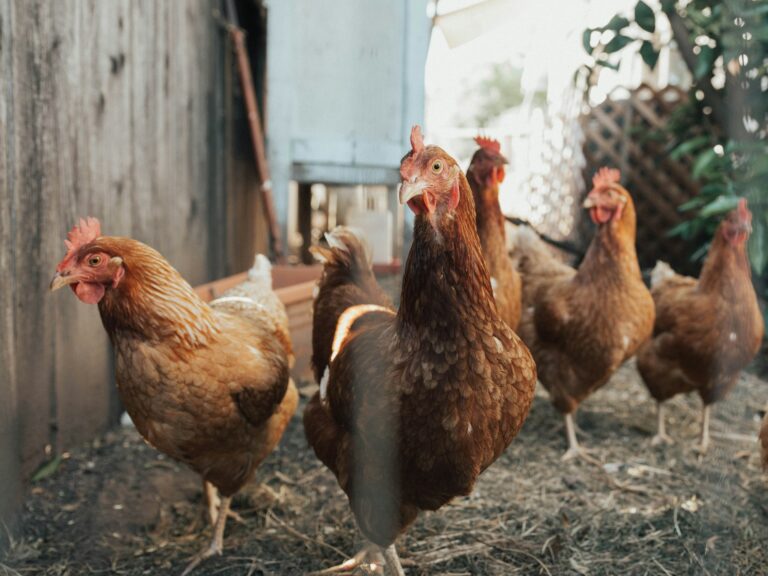
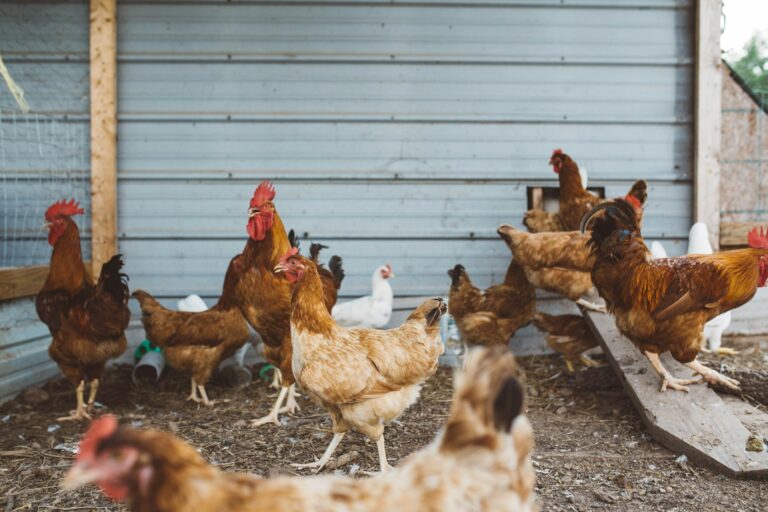
Chickens naturally live in groups called flocks. In the wild and in backyard coops, they rely on one another for safety, grooming, warmth, and social structure. A flock gives them a sense of security. Chickens watch each other for danger, eat together, and establish a pecking order that helps the group function.
A single chicken doesn’t get to participate in any of that. Even if you spend a lot of time with her, you can’t really replace another chicken. Humans can be friendly companions, but we don’t cluck back, preen feathers, or share the same chicken social behaviors.
That’s why most chicken keepers notice that their birds seem calmer and more confident when they have flock mates.
What Chickens Do Together
Chickens spend much of the day doing things as a group:
- scratching in the dirt
- foraging for bugs and seeds
- dust bathing
- resting in the shade
- roosting together at night
- warning each other about threats
These shared routines are a big part of chicken life. A hen kept alone may still survive and even lay eggs, but she may not thrive in the same way as a bird with companions.
Signs a Chicken May Be Lonely
Not every chicken will act the same way, but lonely chickens often show similar behaviors. If you have one bird by herself, or if one bird is isolated from the rest of the flock, watch for these signs:
- pacing or repeatedly moving along the fence line
- calling out more than usual
- following people everywhere
- seeming restless or anxious
- standing apart from other birds when she does have company
- reduced appetite or less interest in scratching and foraging
- feather picking or other stress behaviors
Some chickens are naturally more independent than others, so one sign alone doesn’t prove loneliness. But if a bird seems unusually quiet, clingy, or stressed, isolation may be part of the problem.
Loneliness vs. Boredom vs. Stress
It’s also worth noting that loneliness isn’t always easy to separate from boredom or stress. Chickens need space, enrichment, and a predictable routine. A bird with no flock mates and little to do may develop behavior problems because she feels isolated, under-stimulated, or unsafe.
Sometimes what looks like loneliness is actually:
- not enough room to roam
- lack of enrichment
- bullying from other birds
- a poor coop setup
- illness or injury
So if a chicken seems unhappy, don’t just assume the issue is social. Look at the whole environment.
Can You Keep Just One Chicken?
Technically, yes, a chicken can live alone. But that does not mean it is the best choice.
Some people keep a single chicken because of special circumstances:
- one bird survived a predator attack
- one hen became sick or injured and is separated temporarily
- local laws limit flock size
- a bird is being quarantined before joining others
- a chicken is elderly and outlives her flock mates
In these cases, a lone chicken can sometimes do okay if she receives a lot of human attention and enough stimulation. But even then, she may still be lonely.
Why One Chicken Is Usually a Bad Idea
A single chicken has no one to:
- socialize with naturally
- establish normal flock behavior with
- huddle next to for comfort
- learn from
- share the security of being in a group
Even if you’re home often, humans are not a full substitute. If you work long hours or travel regularly, a solitary chicken may feel the lack of companionship even more.
For that reason, most experienced keepers recommend at least two chickens, though three or more is often better.
How Many Chickens Should You Get?
The ideal number depends on your space, time, and goals. If you only want a few eggs and a manageable backyard flock, a small group may be perfect. If you want a thriving flock with natural social behavior, a larger group is better.
The Minimum: Two Chickens
Two is the absolute minimum for a flock. With two birds, they can at least keep each other company. However, there are a few drawbacks to a pair:
- if one gets sick or dies, the other becomes isolated
- two birds may not balance the social structure well
- if they don’t get along, there is no third bird to diffuse tension
A pair can work, especially if they are raised together and have plenty of room. Still, it’s not the most stable flock size.
A Better Starting Point: Three to Five Chickens
For most backyard keepers, three to five chickens is a great starting size. This gives the flock more social stability and makes it less likely that one bird will become the sole companion of another.
With three or more birds:
- pecking order problems are often easier to manage
- there is more social interaction
- a bird is less likely to be left alone if one becomes ill
- the flock often behaves more naturally
If your coop and yard can support it, a small group is usually much better than a pair.
Bigger Flocks Have Their Own Challenges
A larger flock can be rewarding, but it also requires more space, more feed, more cleanup, and more careful management. Chickens need enough room to avoid bullying and stress. Crowded conditions can lead to feather pecking, fighting, and poor health.
If your only concern is whether chickens get lonely, the answer should guide you toward more than one bird—but not so many that you can’t care for them properly.
What If You Already Have One Chicken?
If you already have a single chicken, don’t panic. There are ways to improve her situation.
Add a Companion
The best solution is usually to get another chicken. If possible, choose a bird of similar age and size. Introductions should be done slowly, because chickens can be territorial and may need time to adjust to a newcomer.
A proper introduction often includes:
- keeping the new bird separate at first
- allowing visual contact through a fence or wire
- supervised short meetings
- gradual integration into the coop and run
This helps reduce fighting and stress.
Spend More Time With Her
If getting another chicken is not possible right away, increase your interaction with the bird. Sit near her coop, talk to her, offer treats by hand, and provide enrichment. While you still won’t replace another chicken, you can help reduce her stress.
Enrich the Environment
A lonely chicken needs more than company. She also needs stimulation. Consider:
- dust bath areas
- hanging vegetables or greens
- perches and logs
- safe space to explore
- scattered scratch grains
- leafy branches to peck at
These things don’t solve loneliness entirely, but they help keep her occupied and more relaxed.
Are Chickens Affectionate With Humans?
Some chicken keepers form very close bonds with their birds. Chickens can absolutely recognize people, remember routines, and enjoy interaction. They may come when called, sit near you, or even hop into your lap.
But affection from a chicken does not mean she no longer needs other chickens.
A human bond is a bonus, not a replacement. Think of it this way: your presence can enrich a chicken’s life, but it doesn’t fully meet her social needs. Chickens are wired to be with other chickens.
Special Cases: When One Chicken Might Be Okay
There are some exceptions where one chicken may be able to live relatively well, at least for a time.
Temporary Isolation
A sick, injured, or newly adopted chicken may need to be separated temporarily for safety. During this period, she should be monitored closely and given as much safe interaction as possible.
Rescue Situations
Sometimes rescuers take in one bird when no flock mates are available. In these cases, the priority is safety and recovery, and a companion can often be introduced later.
Very Human-Focused Birds
A few chickens seem more content than others when they are handled often and live in a very interactive home environment. Even so, most still benefit from chicken company. They may appear fine alone, but that doesn’t always mean they’re reaching their full well-being.
What About Roosters?
A rooster is still a chicken, and he also benefits from companionship. In mixed flocks, roosters often spend a lot of time overseeing hens, but they are not substitutes for flock mates either.
If you keep a rooster alone, he may still become lonely or stressed. Like hens, roosters are social birds and usually do best with other chickens around.
How to Introduce More Chickens
If you decide to get more than one chicken, introducing them properly matters. Chickens are social, but they are also creatures of habit, and new birds can disrupt the pecking order.
A smooth introduction often includes:
- quarantining new birds if needed for health reasons
- keeping newcomers separated but visible
- introducing birds during calmer periods of the day
- providing multiple food and water stations
- watching closely for bullying
- giving the flock enough space to avoid conflict
A little squabbling is normal. Constant aggression is not.
If your current bird has been alone for a while, she may need extra time to adjust. Be patient and keep the environment as calm as possible.
The Bottom Line: Should You Get More Than One?
In almost every backyard chicken situation, the answer is yes. Chickens are social, flock-oriented birds that generally do better with companions. A lone chicken may survive, but she is more likely to become bored, anxious, or lonely.
If you’re starting from scratch, aim for at least two chickens, and preferably three or more if your space and budget allow. That gives your birds a better chance to develop a healthy flock dynamic and live more naturally.
Conclusion
Chickens do get lonely, and their quality of life is usually much better when they have other chickens around. While a single chicken can sometimes be managed in special circumstances, it is not the ideal setup for long-term care.
If you’re wondering whether to get more than one, the humane and practical answer is usually yes. A small flock is healthier, happier, and easier to manage than a solitary bird. And when chickens have companions, they show more of the curious, social, lively behavior that makes keeping them so rewarding.